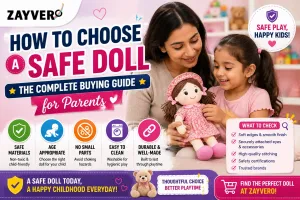
How to Choose a Safe Doll: The Complete Buying Guide for Parents
A doll is often one of the first toys a child forms an emotional connection with. Whether it's a soft plush doll, a baby doll, or a fashion doll, these toys encourage imaginative play, creativity, and emotional development. However, not every doll available on the market is equally safe.
Parents should consider factors such as age suitability, material quality, durability, small parts, and safety certifications before making a purchase. A well-made doll can provide years of enjoyable play while supporting learning and healthy development.
This guide explains how to choose a safe doll by covering everything you need to know before buying the perfect doll for your child.
Why Dolls Are Important for Child Development
Dolls are much more than simple toys. They encourage pretend play and help children explore emotions, relationships, and communication in a fun and natural way.
Benefits include:
- Encourages imaginative play
- Develops empathy
- Improves communication skills
- Supports emotional development
- Builds confidence
- Encourages creativity
- Improves fine motor skills
- Promotes storytelling
Playing with dolls also helps children understand everyday situations such as caring for others, sharing, and expressing feelings.
How to Choose a Safe Doll
1. Select the Right Doll for Your Child's Age
Choosing an age-appropriate doll is the first step toward ensuring safe play.
AgeRecommended Doll0 to 2 YearsSoft fabric dolls with embroidered features2 to 4 YearsLightweight baby dolls4 to 7 YearsInteractive dolls with simple accessories7+ YearsFashion dolls, collectible dolls, and role-play dolls
Always check the manufacturer's recommended age before purchasing.
2. Choose Safe Materials
Material quality directly affects both safety and durability.
Look for dolls made from:
- BPA-free plastic
- Non-toxic vinyl
- Soft cotton fabric
- Polyester filling
- Hypoallergenic materials
Avoid dolls made with poor-quality plastics or materials that have a strong chemical smell.
3. Avoid Small Detachable Parts
Young children often put toys in their mouths.
Check for:
- Securely attached eyes
- Sewn-on decorations
- Fixed buttons
- Firmly attached hair
- Secure accessories
Small removable pieces may present a choking hazard for toddlers.
4. Check for Safety Certifications
Choose dolls that comply with recognized toy safety standards.
Look for products manufactured using child-safe, non-toxic materials and quality-tested construction.
Buying from trusted brands also helps ensure better safety and durability.
5. Soft vs Plastic Dolls
Soft Dolls
Best for:
- Babies
- Toddlers
- Bedtime comfort
- Early sensory play
Advantages:
- Lightweight
- Safe for cuddling
- Easy to carry
Plastic Dolls
Ideal for:
- Older children
- Pretend play
- Role-playing activities
- Dressing and styling
Advantages:
- Durable
- Easy to clean
- More interactive accessories
6. Easy to Clean
Children carry dolls almost everywhere.
Choose dolls that are:
- Washable
- Stain resistant
- Easy to wipe clean
- Quick drying
Keeping toys clean reduces dirt buildup and promotes healthier play.
7. Comfortable Size
A doll should be easy for a child to hold and carry.
Avoid oversized dolls for toddlers because they may be difficult to manage during play.
Lightweight dolls encourage independent play.
8. Durable Construction
Children naturally hug, drop, and carry dolls throughout the day.
Look for:
- Reinforced stitching
- Strong joints
- High-quality fabric
- Durable plastic
- Secure clothing
A well-built doll lasts longer and provides better value.
Different Types of Dolls
Baby Dolls
Perfect for nurturing role-play and emotional development.
Soft Plush Dolls
Ideal for infants and toddlers because they are lightweight and cuddly.
Fashion Dolls
Encourage creativity through dressing, styling, and imaginative storytelling.
Educational Dolls
Designed to support early learning while encouraging pretend play.
Interactive Dolls
Include sounds, movement, or simple responses that create an engaging play experience.
Features to Look For
When buying a doll, consider features such as:
- Child-safe materials
- Washable clothing
- Durable stitching
- Soft edges
- Comfortable weight
- Attractive design
- Easy maintenance
- Quality accessories
Safety Tips
To keep playtime safe:
- Supervise younger children.
- Remove damaged accessories.
- Wash dolls regularly.
- Store dolls in a clean place.
- Avoid toys with broken parts.
- Follow age recommendations.
Common Buying Mistakes
Avoid these mistakes:
- Choosing based only on appearance
- Buying dolls with tiny accessories for toddlers
- Ignoring material quality
- Purchasing poor-quality plastic dolls
- Forgetting age recommendations
- Buying dolls that are difficult to clean
Caring for Dolls
Good maintenance extends the life of a doll.
- Wash soft dolls according to instructions.
- Wipe plastic dolls with a damp cloth.
- Dry completely before storage.
- Store away from direct sunlight.
- Repair loose stitching promptly.
- Keep accessories together.
Why Dolls Make Great Gifts
Dolls are excellent gifts for birthdays, festivals, and special occasions because they combine entertainment with learning.
They encourage:
- Independent play
- Social interaction
- Creativity
- Emotional intelligence
- Storytelling
- Confidence
Quick Buying Checklist
Before purchasing, ask yourself:
✔ Age appropriate
✔ Non-toxic materials
✔ No small detachable parts
✔ Easy to clean
✔ Durable construction
✔ Comfortable size
✔ Trusted manufacturer
✔ Safe accessories